By guest author: Joanna Broussard
Full transparency: I work with Jane to assemble this newsletter and manage her website. I am also the current president of Friends of the Edgewater Library, the largest Friends group in Chicago, and am a public relations strategist, professional writer, and, at times, a journalist and literary advocate.
Although Literary Citizenship is primarily directed at those within the literary world – authors, editors, publishers, author writing groups, booksellers, and others – readers play an important role. In fact, without readers, literary citizenship might not exist at all. Why would those within the literary business need to support each other if there was no one to read what they are writing?
So, how does Literary Citizenship show up in the broader world of readers?
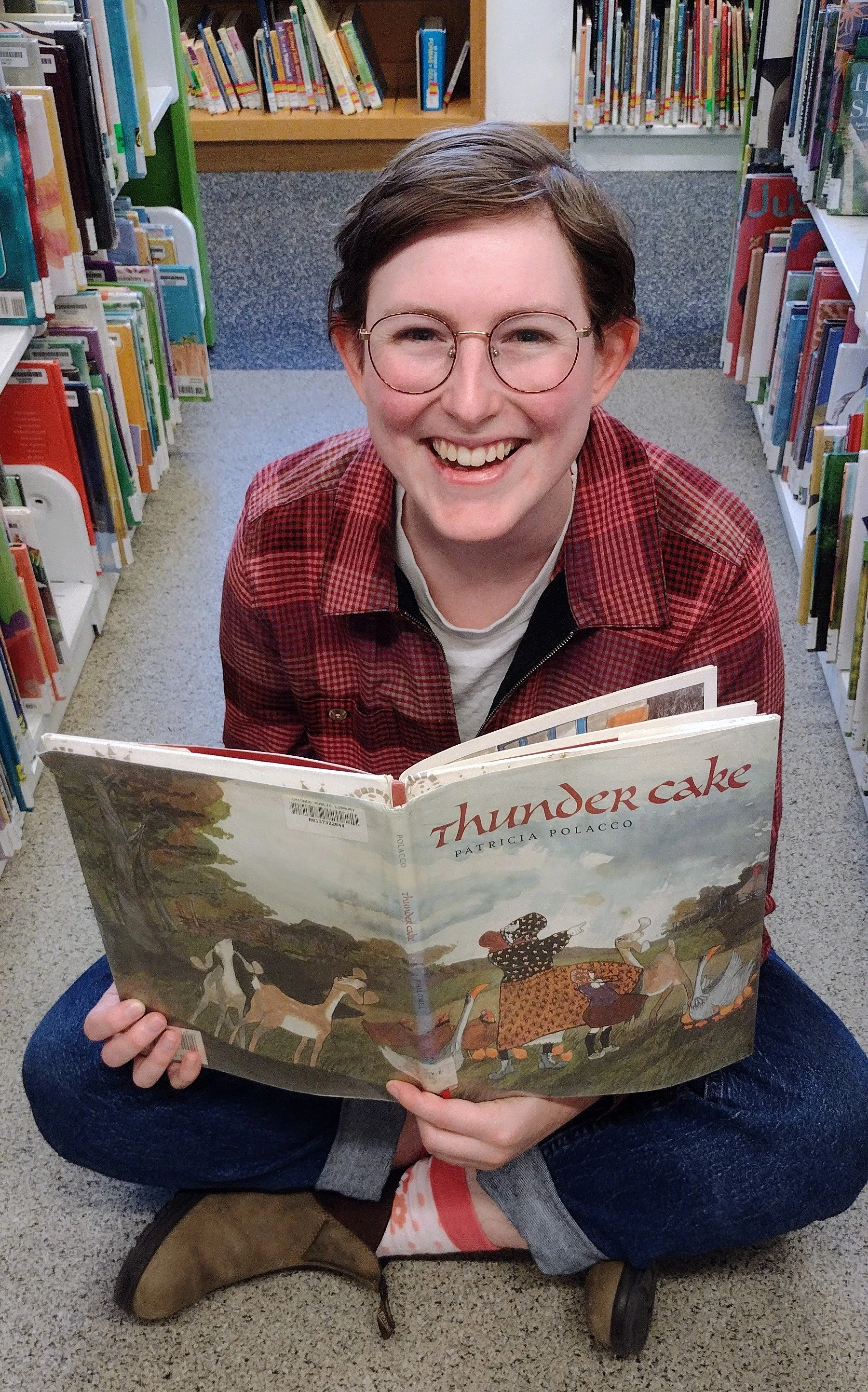
Image courtesy Friends of the Edgewater Library
There are so many ways that readers, who are not authors, participate in literary citizenship. If you buy a book, host a book club, manage a library or a library support group, collect books, create literary programming, organize book sales, promote reading and literacy, drop books at free bookstores or neighborhood little libraries, write reviews and follow authors on Goodreads and other review sites, follow or write a literary blog, advocate for literary access – you are exercising your literary citizenship.
In my role as president of Friends of the Edgewater Library, I get to see the literary world from many different sides within the Chicago Public Library system. I’ve learned how critical libraries are as outlets for authors, especially in today’s vast digital world. Libraries allow you to “taste” an author before you become a book-buying fan. Libraries bring people into their stacks through the books in their collection, author programs, and dozens of other activities and resources they provide. Most importantly, libraries are a place of connection.
For instance, libraries host multiple book clubs in a variety of genres. In our Edgewater Library branch, we offer a slightly different take on the traditional book club: The No Book Club. At TNBC, everyone shares whatever they are currently reading; participants go home with a taste of dozens of authors, all recommended by people they now see regularly and call friends.
As a lifelong reader and writer, I love books, and I work hard to be a good literary citizen. Here are eleven ways I exercise my literary citizenship, and you can, too. Pick what works for you from this list, or one of the resource articles I’ve listed below. Better still, what are you already doing that counts as literary citizenship? So, just do more of it by encouraging friends and family to join you.
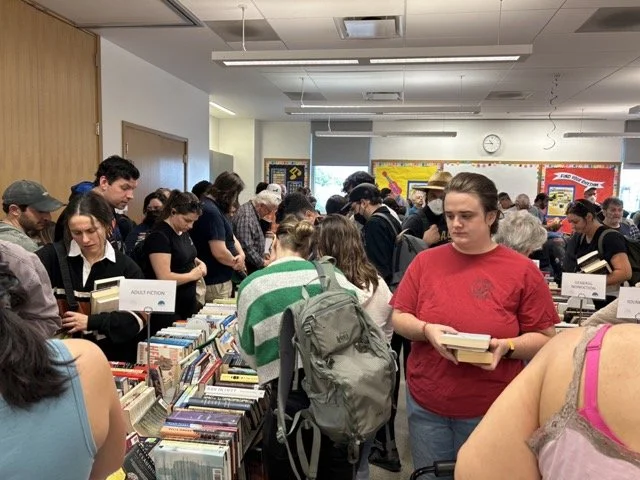
Friends of the Edgewater Library Annual Book Sale. Image courtesy Friends of the Edgewater Library.
Visit. When was the last time you visited your local library? It’s the best place to start your literary citizenship journey. Borrow books, attend programs, and use the many resources available. Did you know that current editions of almost all major magazines and newspapers are available free online with just your library card?
Follow an author on Goodreads, Amazon, on social media sites, on publishing house sites, or bookmark the author’s website in your browser. Sign up for an author’s newsletter. Comment on their posts, especially if you’ve read their books.
Read and then share the books you’ve read with others, either online or at book clubs and other social meetups.
Buy books, especially from independent booksellers, thrift stores, wherever books are sold locally. Use Amazon and the big retailers as your last resort.
Join a book club – meet new authors and make new friends.
Write reviews regularly on BookBub, Goodreads, Instagram, Facebook, and other social media platforms, The Story Graph, LibraryThing, and Amazon.
Attend Literary Festivals and Book Fairs where authors, editors, and other literati come to talk about books, the process of creative writing, getting published, and a host of “enquiring minds want to know” topics.
Follow your local bookstore and library online, subscribe to their newsletter to hear about upcoming author events and other programs, and then attend their offerings.
Advocate for more funding for libraries in your community with your local officials.
Support local book sales; donate to them, attend them, and buy used books for a fraction of the publisher’s cost.
Donate books to non-profit groups and free bookstores that give books away, or put them in your neighborhood's little free libraries, if your community offers this program.
As a reader, it’s not hard to be a good literary citizen because you’re already doing the easiest part by being an avid reader. The best part, and the action that helps authors and all those within and outside the literary world, is sharing it with others.
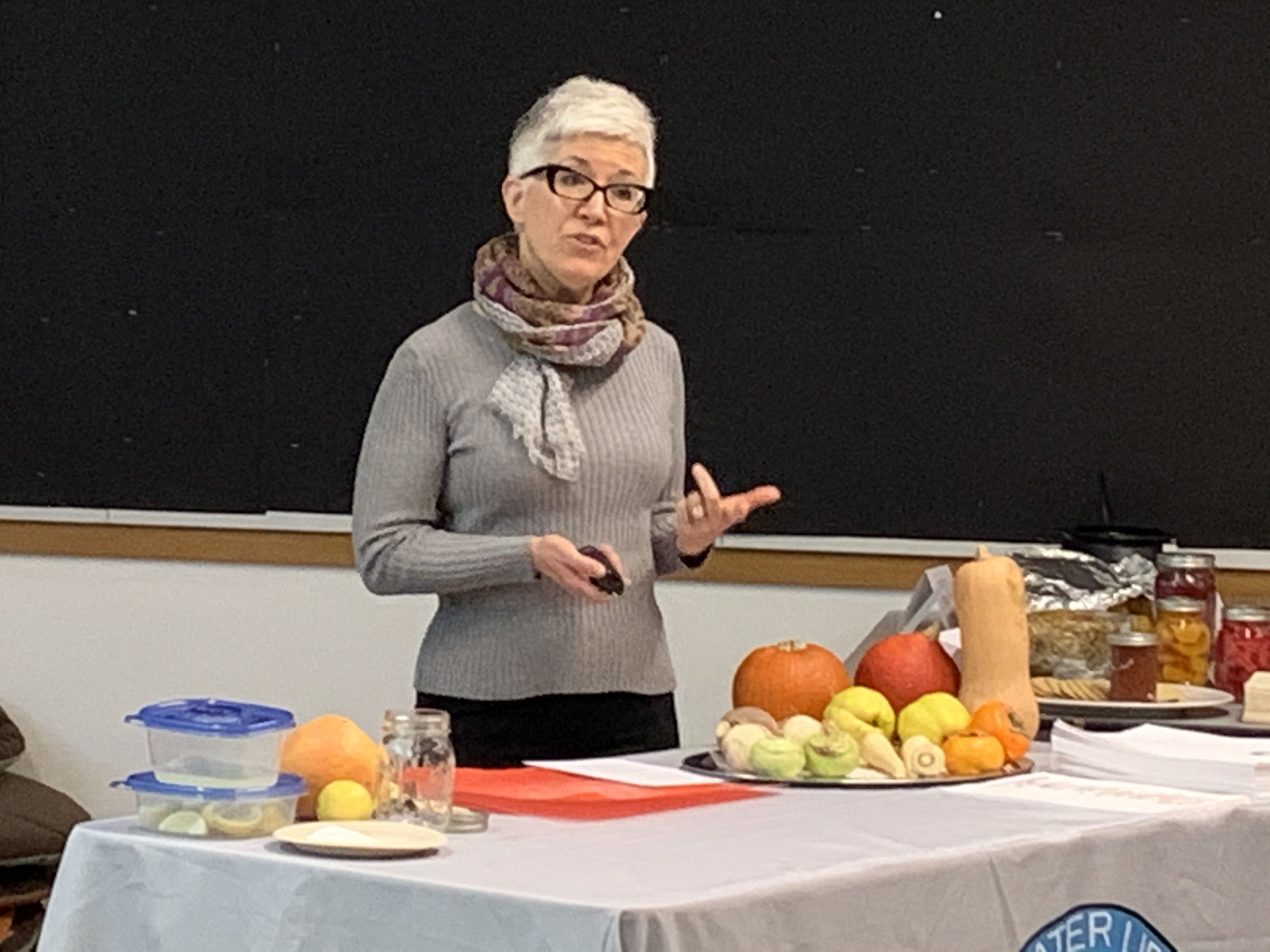
Jane doing a program on ways to prepare local fall vegetables for Friends of the Edgewater Library, November, 2019. Photo courtesy of Friends of the Edgewater Library.
P.S. - In case you didn’t know, Jane is the immediate past president of Friends of the Edgewater Library. Here she is doing one of her favorite things — talking food!
Resources
Literary Hub | How to be a Good Literary Citizen (In Seven Easy Steps)
Book Inc | How to be a Good Literary Citizen
Reed, Write, & Create | How to be a Good Literary Citizen and Why It Matters
Literary Citizenship | Cathy Day’s Principles of Literary Citizenship