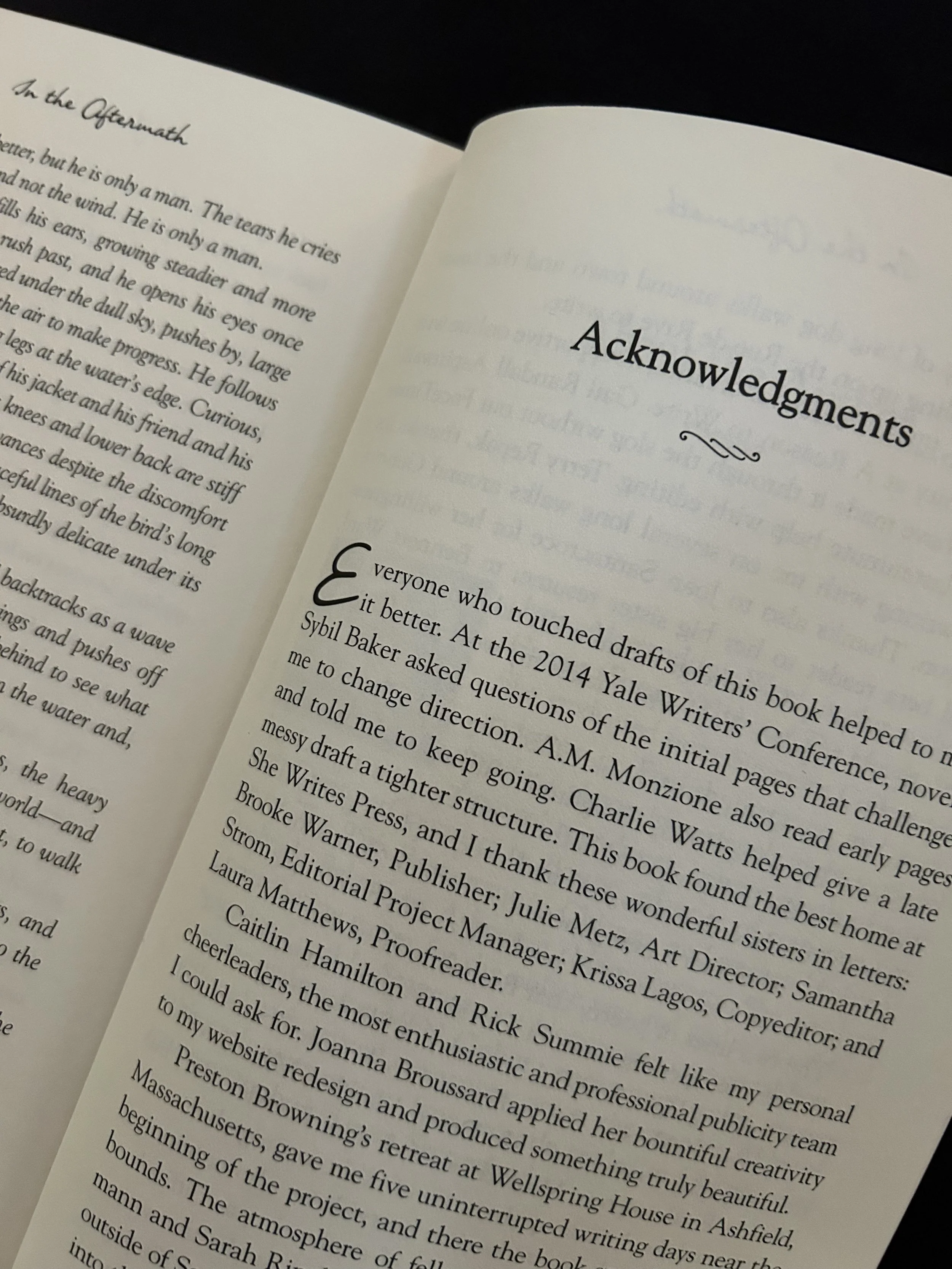
In The Aftermath by Jane Ward, Acknowldgements, page 343
You’ve probably read a million “Acknowledgments” sections that begin something like, “Writing books is a largely solitary endeavor,” and it’s true. For months on end, we sit at our desks surrounded by pens, paper, screens, spent toner cartridges, and–if we’re lucky–a devoted pet or two, but no other human in sight.
And the solitary nature of our work doesn’t magically end when the manuscript is finished and sent off to the publisher. We’re often alone in editing, in preparing for book tours, and at those microphones in front of a waiting audience. Even the best of friends who show up time and time again can’t really understand what it’s like to wait alone for the reactions to the newest novel. The person who understands the many types of ‘writer solitude’ best is another writer.
It stands to reason, then, that the person best poised to help a writer through that solitude is another writer. The concept of practicing Literary Citizenship began well over a decade ago as an effort to encourage writers to support other writers in ways they know will help the most.
Within the last few years, the practice of Literary Citizenship has garnered some criticisms.
Many wonder if authors supporting authors is relieving publishers of providing meaningful (read: monetary and publicity) assistance to their stable of writers. Others have suggested that it can foster in some a quid pro quo mindset–i.e., “I’ll feature your book on my Instagram reel if you write a review of mine.” These are valid concerns.
In a business that cares more about the bottom line than the art, we do see publishers spending fewer in-house efforts on a mid-list author than they do on a big name, but I still believe it’s better to offer that hand than not.
And I’m also of the mind that offering help and expecting help in return reduces that assistance to a transaction between two people, forming a relationship that is the exact opposite of the spirit of literary citizenship. In both cases, we should support our author friends because it makes our literary world bigger and more inclusive.

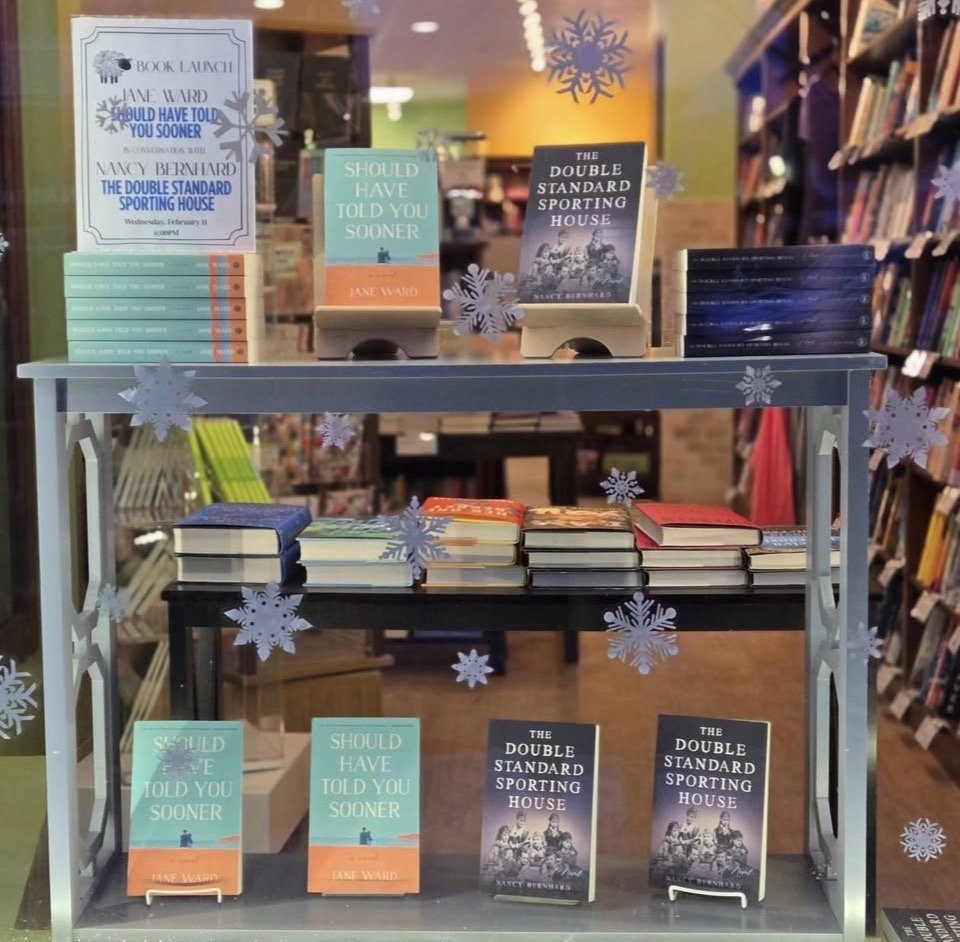
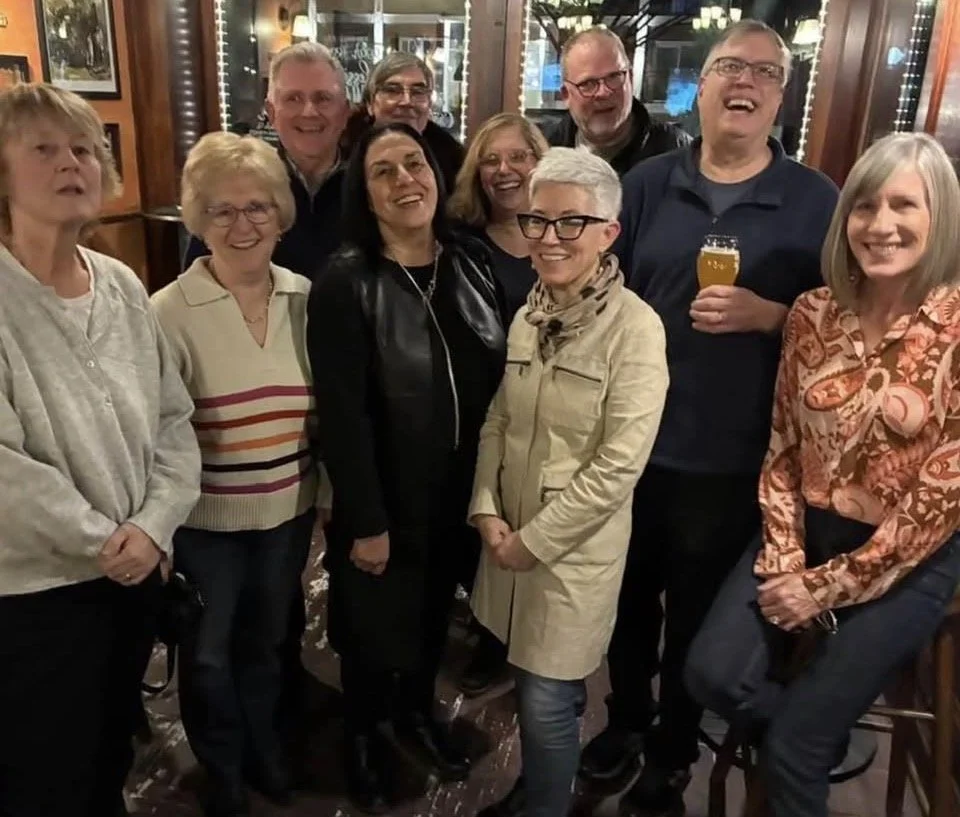
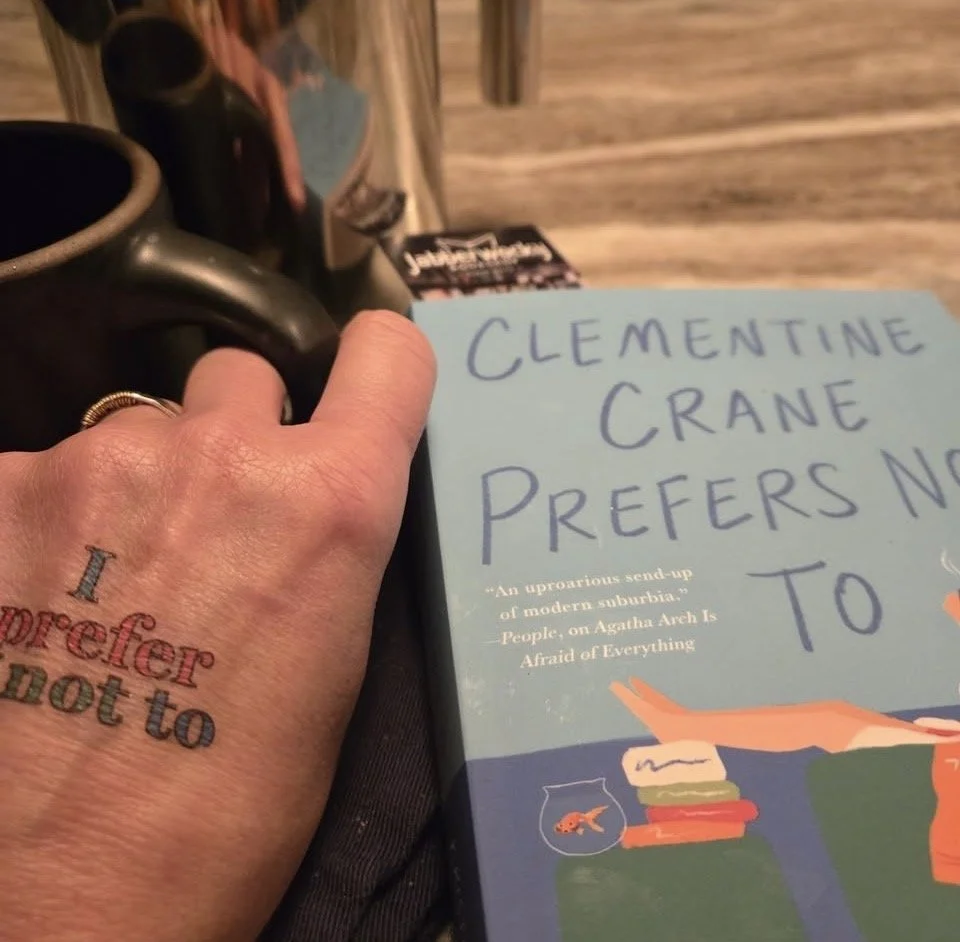
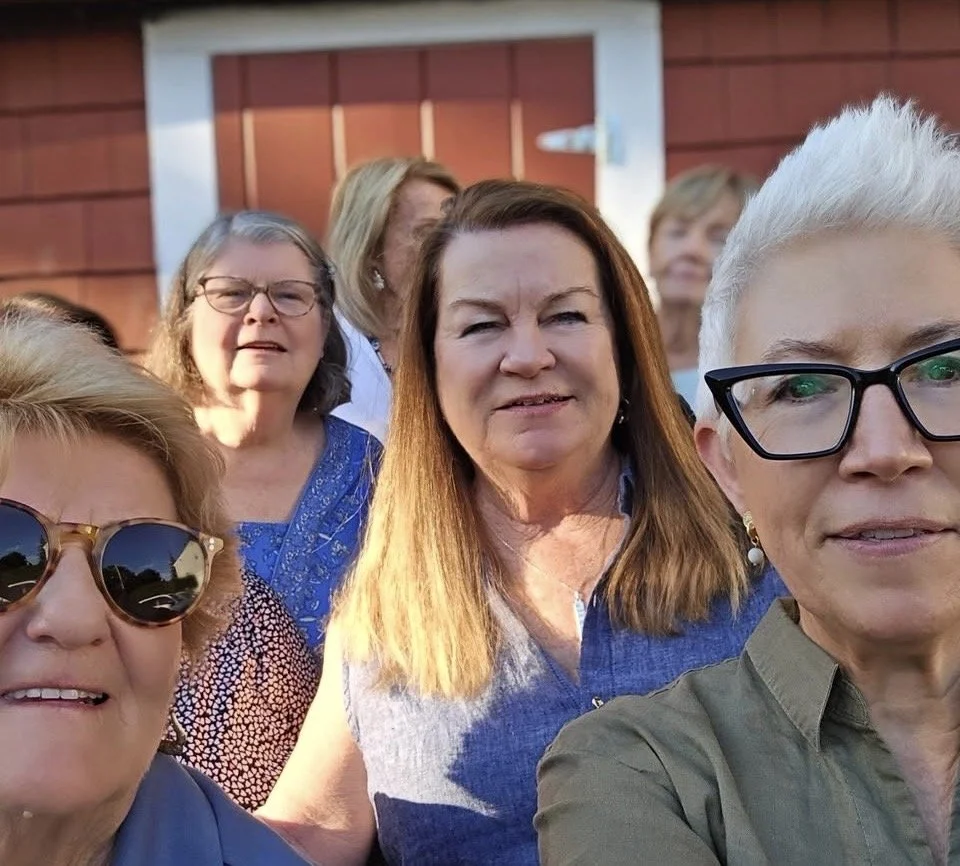
Every writer takes a different approach to their practice of literary citizenship, and I’m sharing what has worked for me below.
After my second book, The Mosaic Artist, came out, I was fortunate to cross paths with area author Holly Robinson. Holly was more established in her writing career and, lucky me, she took me under her wing and shared her earned wisdom with me from the start. I credit her with showing me through example what a writer’s dedication to showing up for the work looks like. In turn, I’ve been able to share that same lesson with writers coming up behind me. This is a gift that will keep on giving, as the authors we all assist go on to share the lesson, ad infinitum.
These genuine relationships beget more genuine relationships. Meet one writer, and soon you’ll know their friends, and the friends of their friends. Don’t hesitate to reach out to make those connections at author readings, writing conferences, and book fairs. Invite other writers for coffee. Host a group in your home to get to know each other more deeply. When the fledgling relationships are cemented, you suddenly have a circle of people who are willing to do anything for each other, from attending each other’s book launches to providing a sympathetic ear when the going is challenging.
Among your circle of author friends, find people who write about themes similar to your own and see if you can put together ideas for programs that can be pitched to bookstores or libraries.
With this same marketing hat on, start a spreadsheet of marketing ideas that have worked for you and circulate it among your author friends for their input. Keep it updated with ideas for programs you might not have thought of and new ways to get the word out. You’ll be surprised how quickly you can build a database of shared expertise.
Keep your focus on the books, too. Buy friends’ books. Start a shelf of books by friends and watch it grow. Buy books by writers you admire, but don’t yet know. Visit your favorite local bookstores and ask for recommendations, or to be added to their newsletter announcing upcoming events, and soon you’ll have made solid connections with the booksellers, too.
Most writers are also readers. If you belong to a book club, make sure to share the titles you know and love with your club members, whether they’ve been written by your friends or not. I can assure you, every word-of-mouth recommendation is greatly appreciated by those of us who need readers in order to do what we do.
If your close friends are readers, try something that my friends and I do on a semi-regular basis: Swap books! Every so often, three college friends and I get together for dinner, and we each bring books to share with the group. We’ll introduce the books, and everyone can take what looks interesting to them. This might seem like we’re circulating the same small collection of used books, but through the swaps, we’ve all been introduced to new favorite authors whose books we then go on to purchase.
I hope these suggestions intrigue and inspire you to begin thinking more about how you can best practice the literary citizenship that works for you. Checklists of dos and don’ts abound, so for more ideas, check out these resource articles.
Bonus Reads | Finding Your People, Building A Community, and Don’t Be Afraid to Claim Your Place
If you’re a reader and want to know how you can practice good Literary Citizenship, go here.
Photos by Jane Ward, copyright 2026. Top to bottom: Jane and Holly Robinson appearing at Jabberwocky, dual book launch with Jane and Nancy Bernhard, a mini hometown reunion with high school friends, Jane loving a book by author Kristin Bair, and Jane with her hometown book club. Photos originally appeared on Jane’s social media feeds.