Very often, after I’ve introduced myself as a writer to people I don’t know, I’m asked about the kind of books I write. “Domestic dramas,” I’ll answer, always following that with, “novels about complicated or dysfunctional families.” The most frequent response I receive is a knowing nod of the head, although coming in at a close second is the bitter laugh followed by this wry comment: “Oh, families like my own, I guess.” When it comes to difficult families, we either know them or we are them.
Dramatic fiction is a big umbrella covering many stories that begin with an intense conflict, moral or emotional, that will eventually drive the story to its conclusion. In many, there is a broad social component as well, meaning the personal story at the center of the novel might play itself out within a pivotal historical or cultural moment.
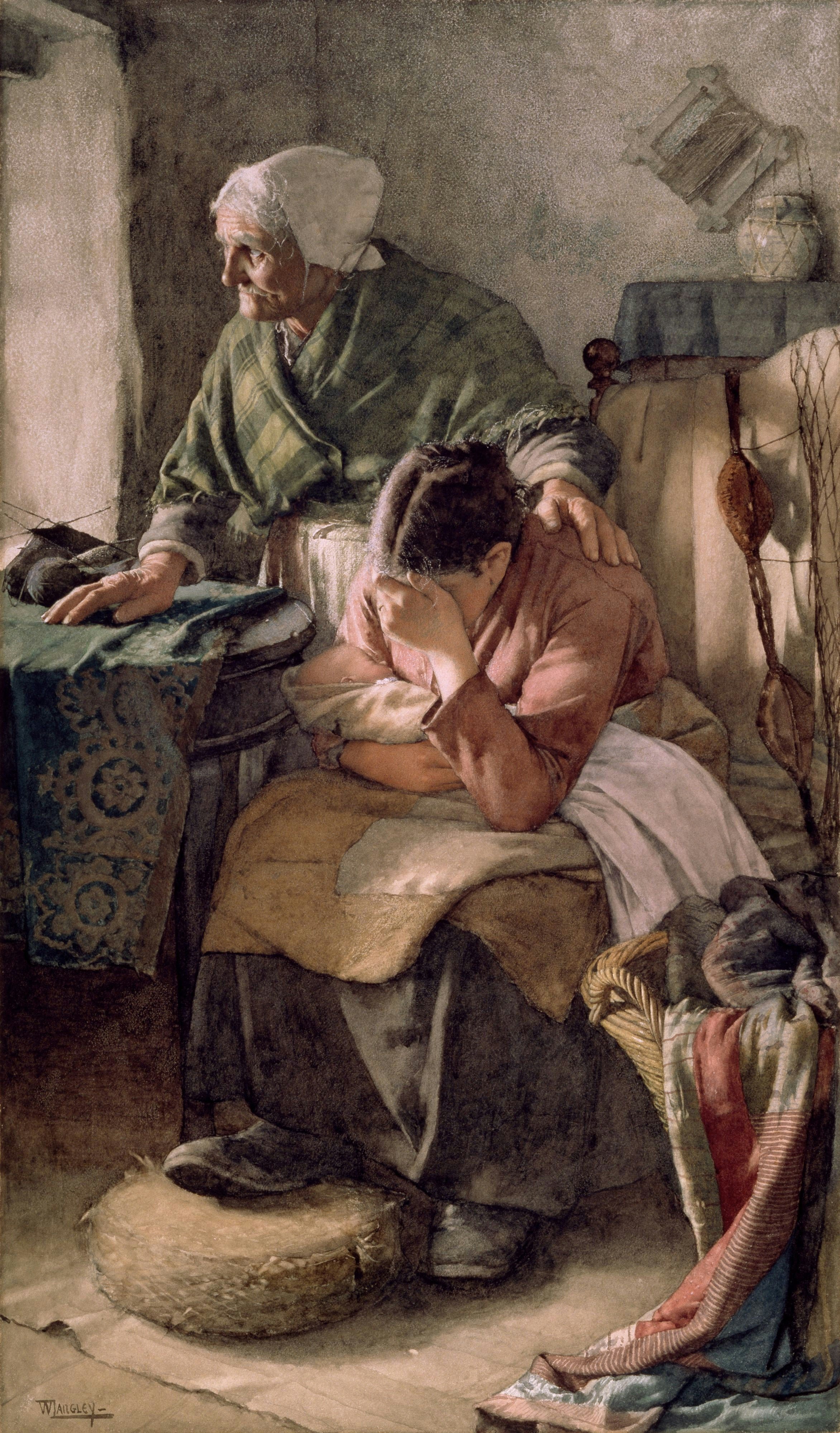
Image of a painting by British painter Walter Langley (1852-1922) courtesy of Birmingham Museums Trust on Unsplash
In domestic dramas, the moral and emotional conflicts will play out within the more intimate setting of a family home or similarly insular world. The family unit is the first community we know as children, and the first place where we learn how to interact with others. Perhaps, we land in a place of peace and safety. But if not, if what we learn from these primary relationships is complicated, painful, or dysfunctional, the outcome can affect every relationship going forward for a lifetime.
When I write, it’s to try to understand why people act as they do and how they might change years of ingrained behaviors. Observing them moving around their private worlds is my way in.
To do that successfully, these are the three fundamental writing tenets I focus on as I draft and revise.
I must create characters my readers will know and understand.
Like most humans, my characters are complex and flawed, with complicated back stories of love and loss, unfulfilled needs, or poor choices that have led to being stuck in places–both physical and metaphoric–they don’t like.
Often, like Noel in my forthcoming novel, Should Have Told You Sooner, they are holding onto secrets that, if revealed, threaten to disrupt whatever peace they are clinging to. Readers may not have experienced anything this acutely, but chances are they have felt similar emotions — shame, regret, or longing — to some degree.
My role is to tease out familiar details and feelings to create someone realistic and fully-fleshed out that readers will understand — whether they like them or not, or agree with them or not.
I must make the setting feel familiar.
I describe parents, siblings, neighbors, and the interactions between them. I get the characters out and about their towns and jobs. I observe them at home, helping their children with homework while their own minds wander, or doing dishes they wish someone else would pitch in and do. I portray them at the table eating meals, taking note of the food made and served, observing who eats and who perhaps does not, and who is most invested in all of that.
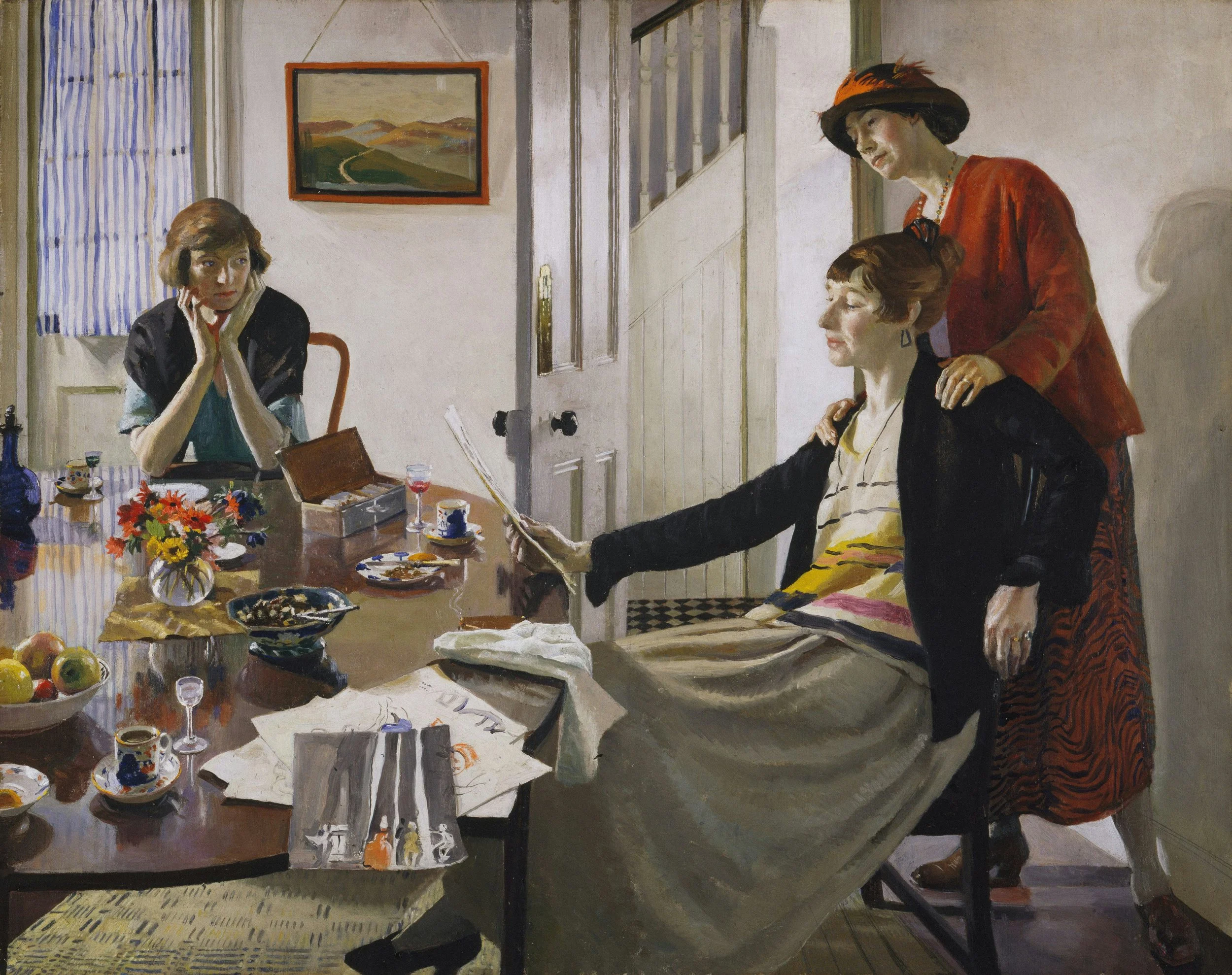
Image of an oil on canvas painting by British artist, Harold Harvey (1874-1941) from Birmingham Museums Trust on Unsplash
It may sound mundane, but these details of daily and work routines should be the opposite of a snooze. Chosen carefully, they will leave the reader with a feeling of familiarity, and this, in turn, opens the door for empathy, the connection that will carry them over the hurdle of the characters’ flaws and mistakes.
I must take everyone on an authentic journey.
Within the story arc of the domestic drama, my characters’ emotional conflicts will reach a breaking point. One person’s needs will clash with another’s; the truth will out, and secrets will spill; tensions will bubble over, and the stakes are so high that outcomes might be emotionally overwhelming.
This charged plot has to lead somewhere meaningful, with my characters somehow changed or unburdened at the end. But I remain mindful that going from crisis to crisis is unsustainable in anything but an action thriller. I concentrate on structuring the novel and pacing the tension for a slow reveal of information, sometimes even interjecting lighter moments of humor — in dialogue, for example — to break up the heavy atmosphere. The breathing room is necessary for the reader, but moments of levity in difficult circumstances are also true to life.
Writing a successful story set on this kind of closed stage depends on creating a world that feels familiar to the reader, even when the characters’ circumstances are not. Connecting with realistic characters, settings, and emotions allows the reader to empathize, and that empathy invests them in the outcome.
In some circumstances, familiarity doesn’t breed contempt. That’s especially true in this kind of storytelling where, instead, it forges trust between a reader and the tale.
See Family Drama: Six Books, Secrets Galore for six domestic dramas I recommend.