The book is written. What’s next? And why does this matter?
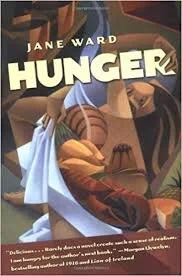
Jane’s first book, Hunger. Traditionally published by Forge/St. Martin’s Press in 2001.
The past two decades in the book world have brought with them an enormous expansion of paths to publication. Back in 2001, when I published my first book with Forge/St. Martin’s Press, it was either publish traditionally (e.g., an establishment publisher or university press) or turn to the unflatteringly titled and always predatory realm of vanity publishers.
Then came 2007.
Tumblr and Wattpad, Amazon KDP, Smashwords, and e-readers. More recently, Medium and Substack have taken off. The Big 5 presses remain, as do university presses, but smaller presses, niche presses, micro presses, and subscription-model blogs also exist.
Hybrid publishing is both established now and respected, and self-publishing no longer carries a predatory stigma and is as easy as uploading a file. In 2025, Publishers Weekly reported that over 4.2 million ISBN numbers–those barcode numbers found on the back of any book for sale–were registered. Writers and readers alike are spoiled for choice.

Jane’s second book, The Mosaic Artist, which she self-published.
On the writing side, I have been fortunate to build a career by publishing my books in every way possible. Hunger was published traditionally, The Mosaic Artist was self-published, and In the Aftermath and Should Have Told You Soonerwere both hybrid-published by Brooke Warner and She Writes Press. Options have allowed me to continue writing without gatekeepers and take control of my work.
If you’re coming to this post as a writer, here’s what choice means for you.
You can explore traditional publishing. It goes something like this.
You, the author, have a manuscript. You will want your final draft to be as polished as possible. Often, authors hire developmental or copy editors to make their work shine. I recommend this.
Then, you research literary agents who represent genres like yours, and send your polished manuscript to them along with a query letter. Agents pitch editors at publishing houses, and if good fortune prevails, your manuscript is picked up for publication.
The advantage of traditional publishing is that these houses often pay advances to acquire your work. These advances average about $10,000 and are paid out over 3 or 4 installments. When the book begins to sell in stores or online, you then receive royalties–about 15% of the sales price for hardcovers and 7- 10% for trade paperbacks. In return, you will get some publicity support from the publishing house, although many authors also hire their own outside publicist. You will share 15-20% of both the advance and the royalties with your agent.
You can explore self-publishing. It goes something like this.
You, the author, have a manuscript, and again, you want it as polished as possible. Some self-publishers hire outside developmental or copy editors. Others rely on a system of early readers, beta (test) readers for later versions of the manuscript, and their writing groups to get the manuscript in its best shape.
After that, you choose the platform that works for you: Amazon KDP, Barnes & Noble Press, IngramSpark, Draft2Digital, and BookBaby are the major players, though many others exist. You will pay for all aspects of book production, i.e., professional editing, cover design, interior design and formatting, and marketing/publicity. However, any profits after these expenses belong exclusively to you. Jane Friedman gives a great overview here.
You can explore hybrid publishing. It goes something like this.
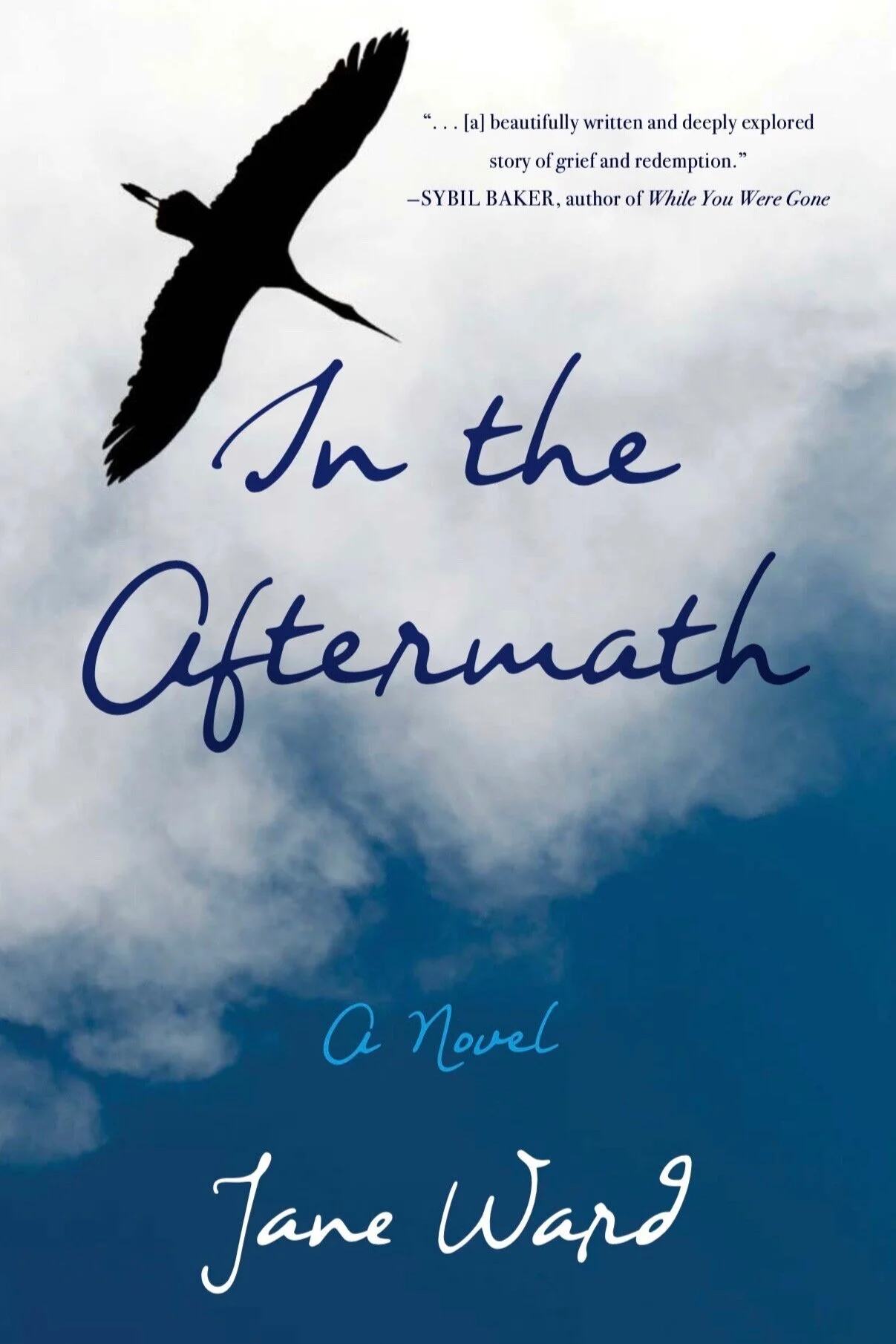
Jane’s third book, In the Afertmath, publised by She Writes Press, a hybrid publisher.
You, the author, research reputable hybrid publishers (Brooke Warner writes about what to look for here). You submit your polished manuscript–I can’t stress enough that everyone will expect your best work–and if it gets accepted, you will pay a flat fee and, in return, receive publisher support with the traditional aspects of the publication process.
These include: cover and interior design, proofreading, copyright filing, e-book conversion, traditional distribution to all sales outlets, and support for the life of the book–such as sales fulfillment, warehousing, and management of metadata. For sure, it’s an upfront expense, but one I felt was worth it. These are things I could not do successfully on my own. I treated this outlay as an advance I gave to myself, and as such, I became invested in earning that money back through sales.
As the owner of the creative work in the hybrid space, you should also expect to have input on cover and interior design, final editorial decisions, and your initial print run. Look for a hybrid publisher that guarantees 60-70% royalties per book sold. You may wish to hire your own outside publicist.
Does this matter to you, the reader?
To the readers dropping in here, the above may seem like interesting information, something to give you a bit of a glimpse into the worlds of writing and publishing, but you may be wondering why it should matter to you. Here’s why.
Readers and writers are in a mutually beneficial relationship — you can’t have one without the other. Writers seek readers; readers seek good stories. More outlets for writers means readers have a larger set of books and other written materials to choose from.
Where you once had to wait for your favorite cookbook author to drop a book, you can now subscribe to any number of culinary-themed Substacks. You can download a favorite romance author’s complete works. You can go into a library or bookstore and browse work that is new to you or place an order for a title, whether a bestseller or something more obscure.
Speaking as a reader (I’ve been reading a lot longer than I’ve been writing!)
I’ve rarely been swayed to pick up my next read by the publishing credentials listed inside the front cover. If I open a cover and read the first few lines to discover a book is high quality, I will read it regardless of, and often with no idea of, how that book came into existence.
Where there were once limits imposed by a set of deciders and taste shapers at publishing houses, there are now fewer of those limits. We can write and read with fewer boundaries. Writers are taking charge of their destinies. Readers are defining what stories they wish to see on their bookshelves. And this, to me, is a beautiful development.
Bonus Read: Sometimes authors decide to become publishers. Here’s an interview with author-publisher Caryn Green. Her latest book is Better Angel, published by Ms. Green’s Manitou & Cedar Press. Read it here.